A look at the difference between film and digital wedding photography — and why many couples are drawn to the timeless, romantic quality of film.
There’s a certain feeling people often notice in wedding photos, even if they can’t quite explain it.
Something softer. A little more textured. Slightly less perfect in a way that feels more real.
More often than not, they’re responding to film.
Most modern wedding photography is captured digitally. Digital cameras allow photographers to move quickly, adjust instantly, and document a wedding day with a level of flexibility that matches the pace of a celebration.
Film exists in a different rhythm.
Images are captured on rolls of film and developed afterward, which naturally creates a slower, more intentional process. Each frame is chosen with care, and that restraint often carries through to the final image. Because of this, many photographers choose to use both — digital for coverage and flexibility, and film for the moments that benefit from a more refined, tactile quality.
What draws people to film isn’t always something they can immediately name, but it’s something they can feel.
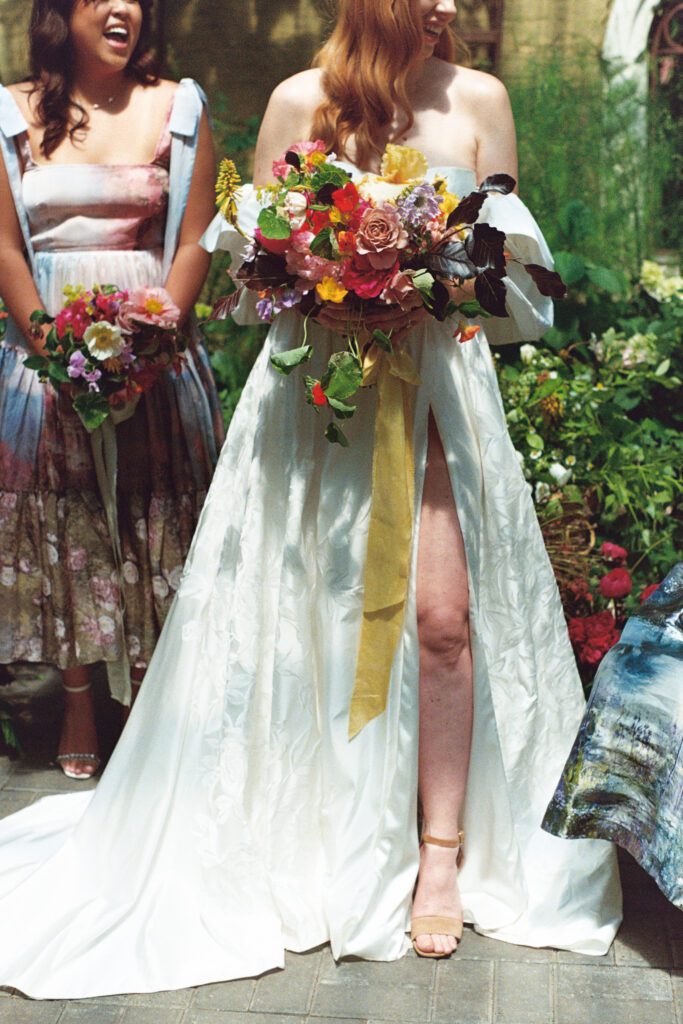
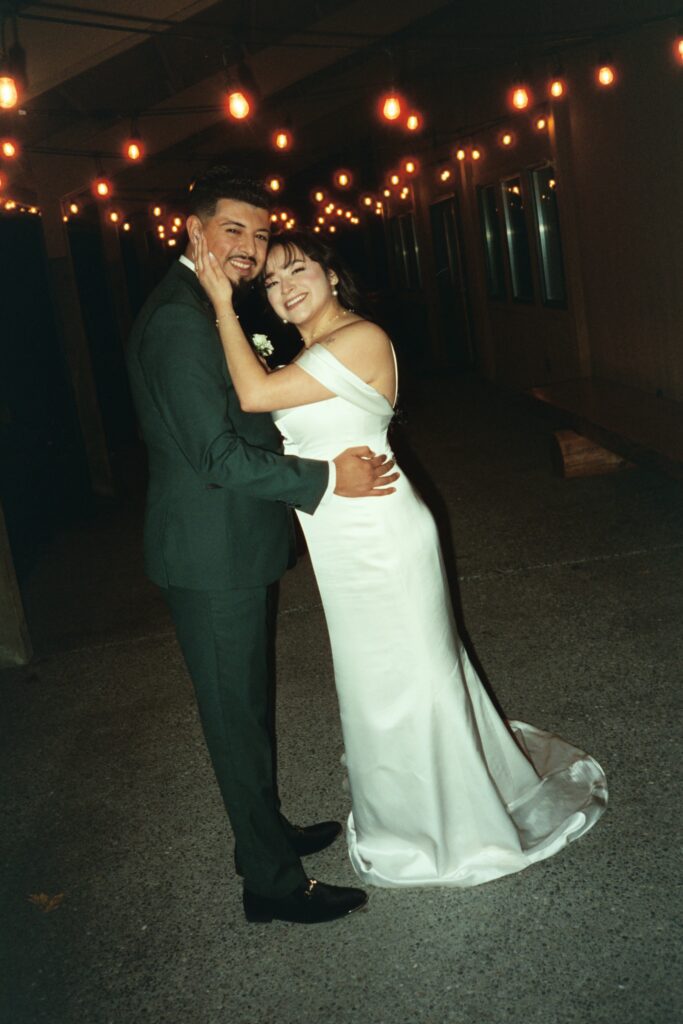
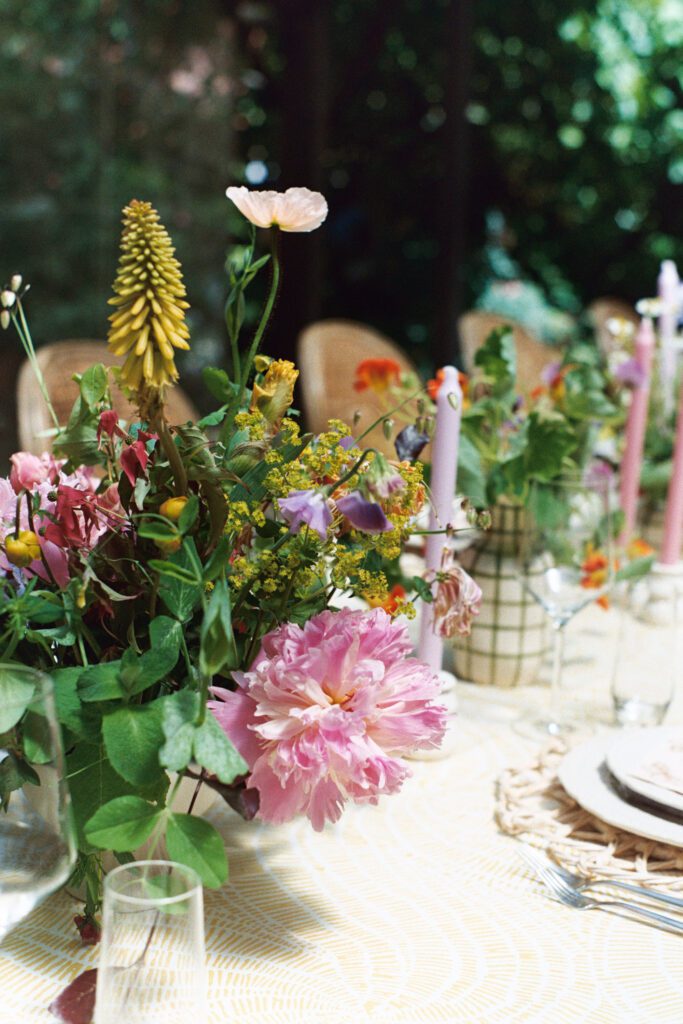
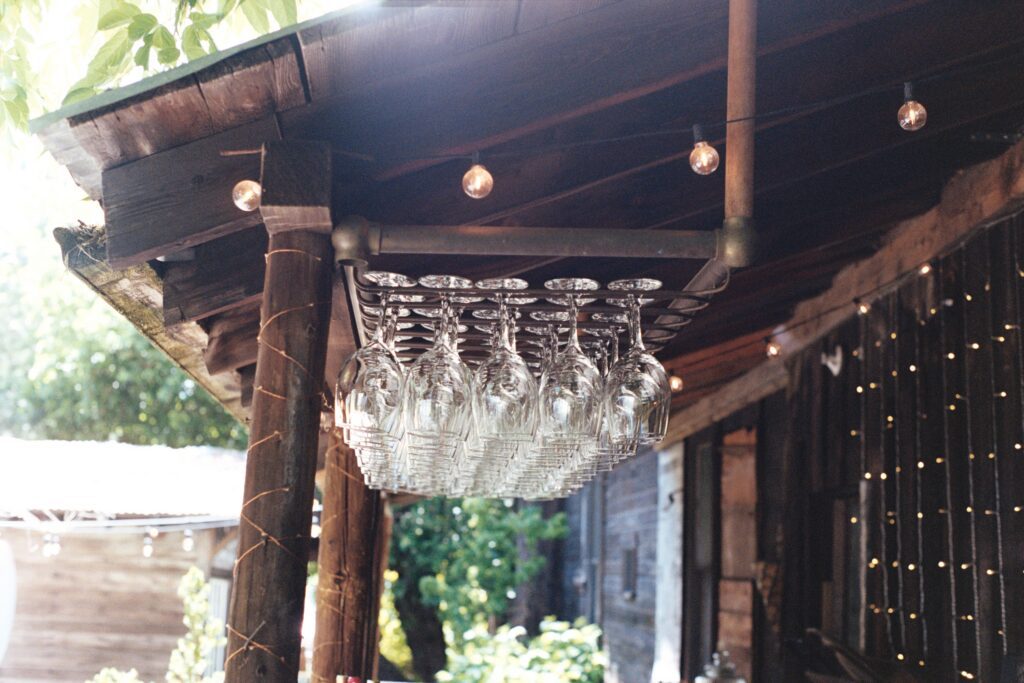
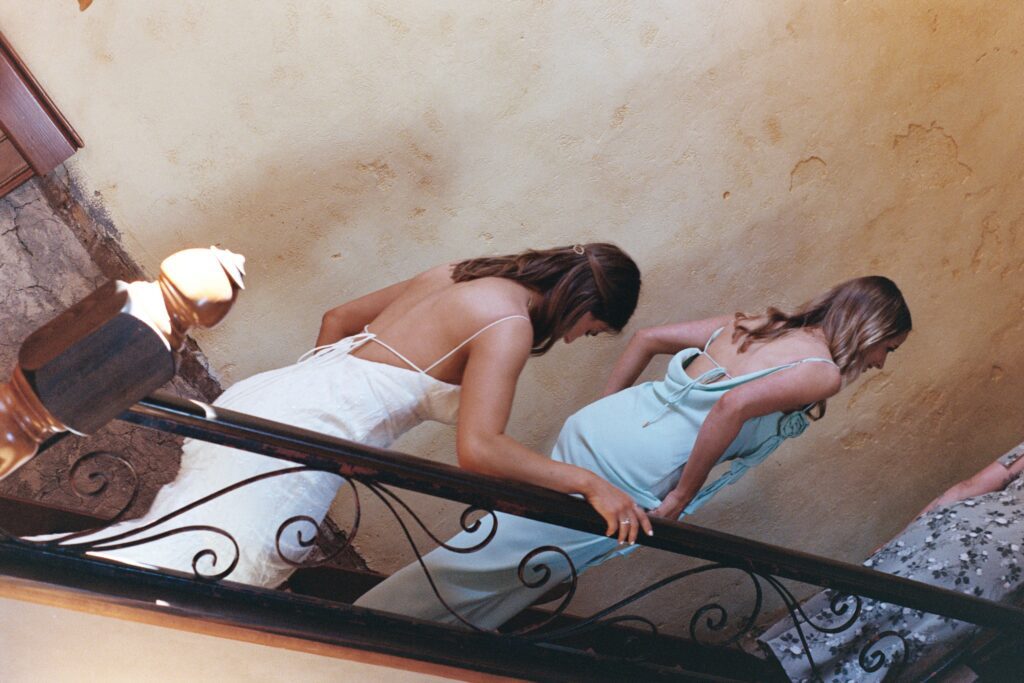
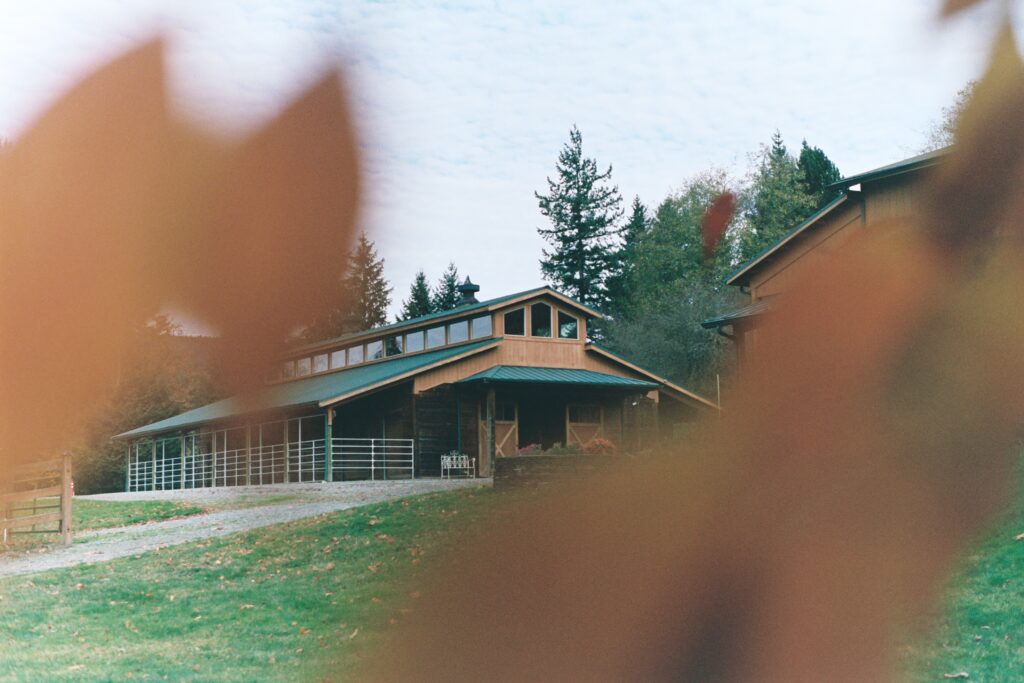
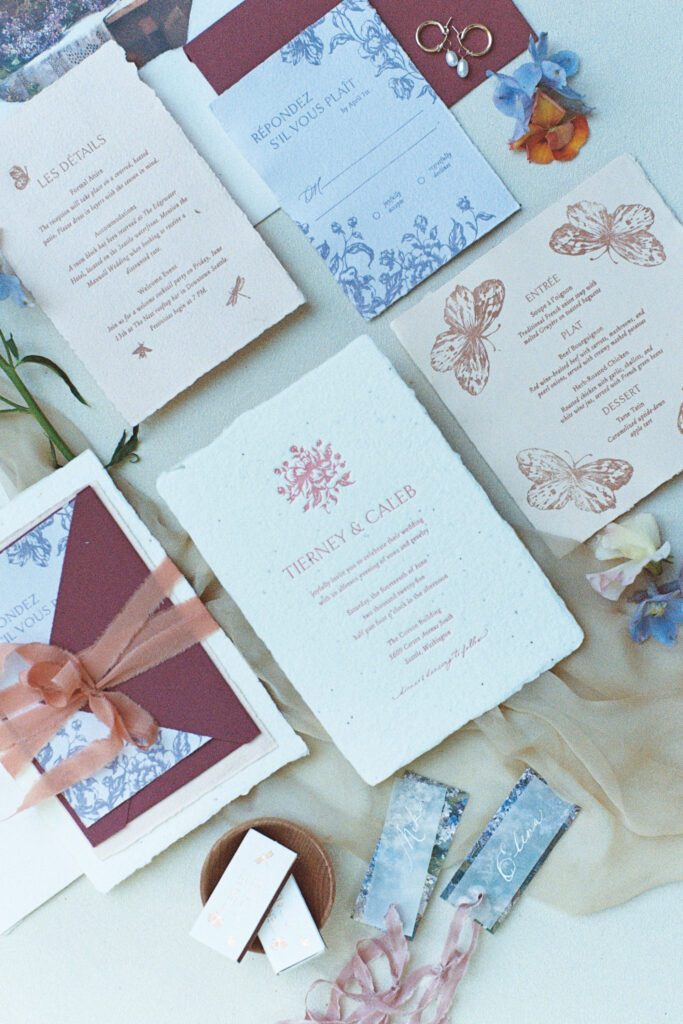
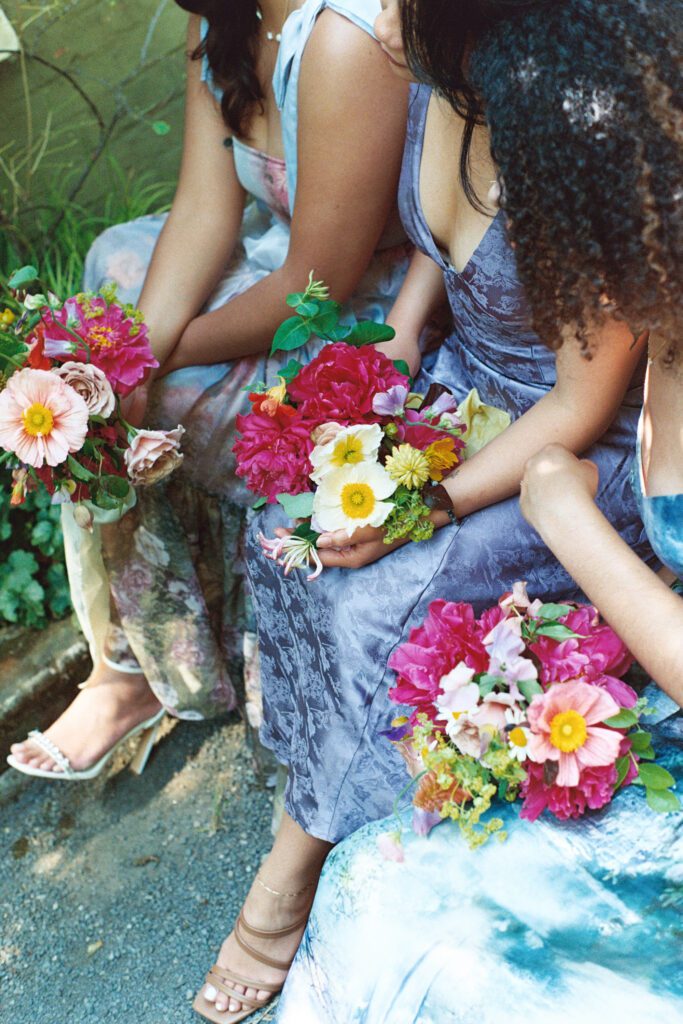
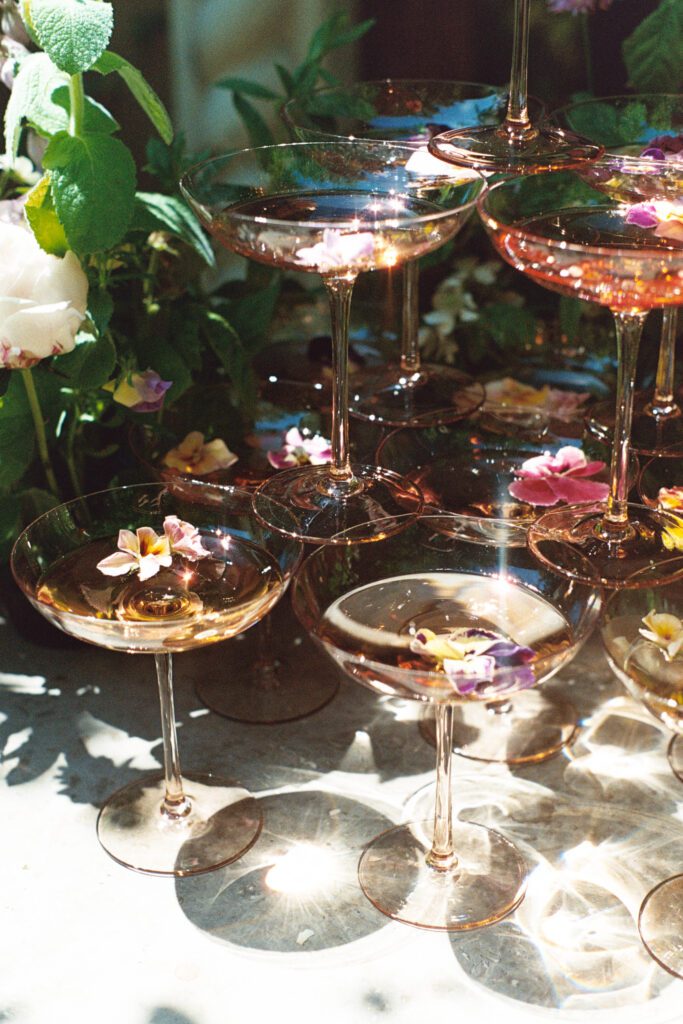
Film renders light and color in a way that feels natural and dimensional. Highlights stay soft rather than harsh, skin tones feel true to life, and there’s a subtle grain that adds texture without taking away from the moment itself.
The result is often described as romantic or timeless, but more than anything, it feels honest.
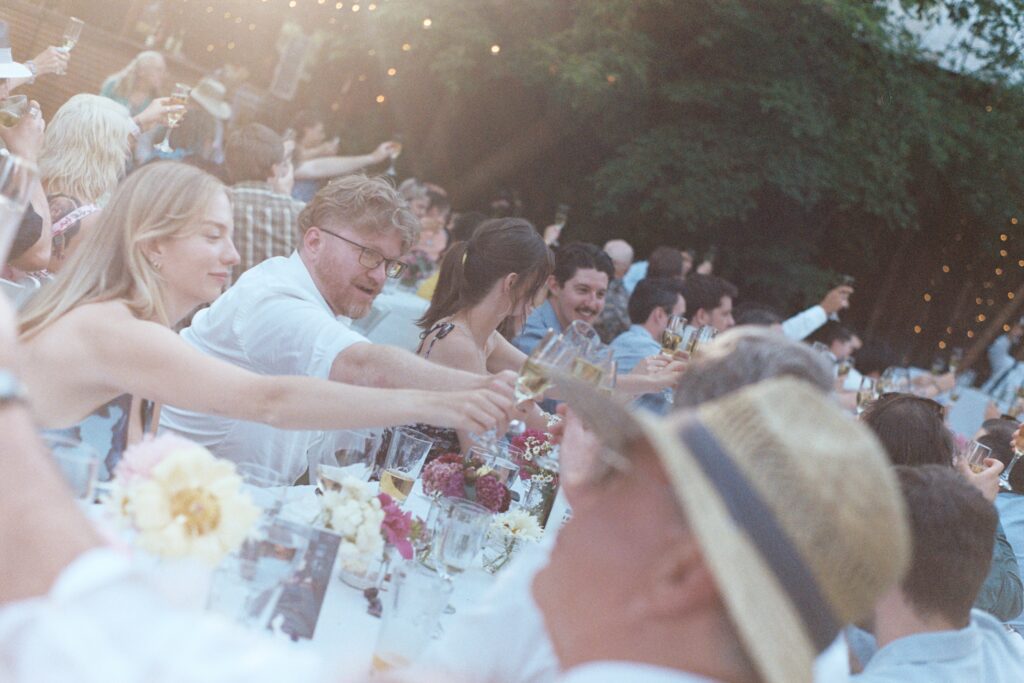
Part of that feeling comes from the process itself. Film asks the photographer to slow down. There’s no instant playback or rapid-fire shooting — just a quiet awareness of light, movement, and timing. Each image is made with intention rather than volume.
That shift is subtle, but it changes the way moments are seen. Instead of anticipating the next adjustment, the focus stays on what’s unfolding in front of the camera.
It tends to shine in the quieter, more atmospheric parts of a wedding day; getting ready in natural light, portraits that lean into movement rather than posing, the stillness just before the ceremony begins, the warmth of candlelight settling into the evening.
In these moments, film doesn’t take over. It simply adds depth.
Many couples don’t begin their search specifically looking for film wedding photography. They simply find themselves drawn to certain images more than others.
Often, those images feel softer, more atmospheric, and less produced. There’s a sense that the moment existed as it was, without being overly directed or refined. Film has a way of preserving that feeling, softening without losing clarity, holding onto light in a way that feels natural, and allowing emotion to come through without distraction.
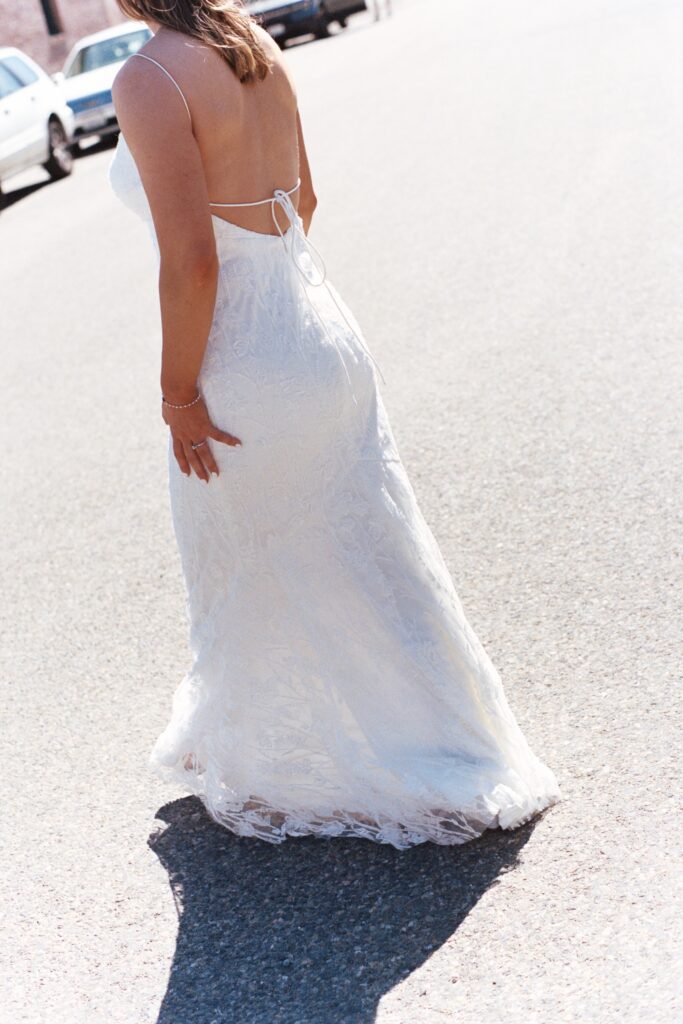
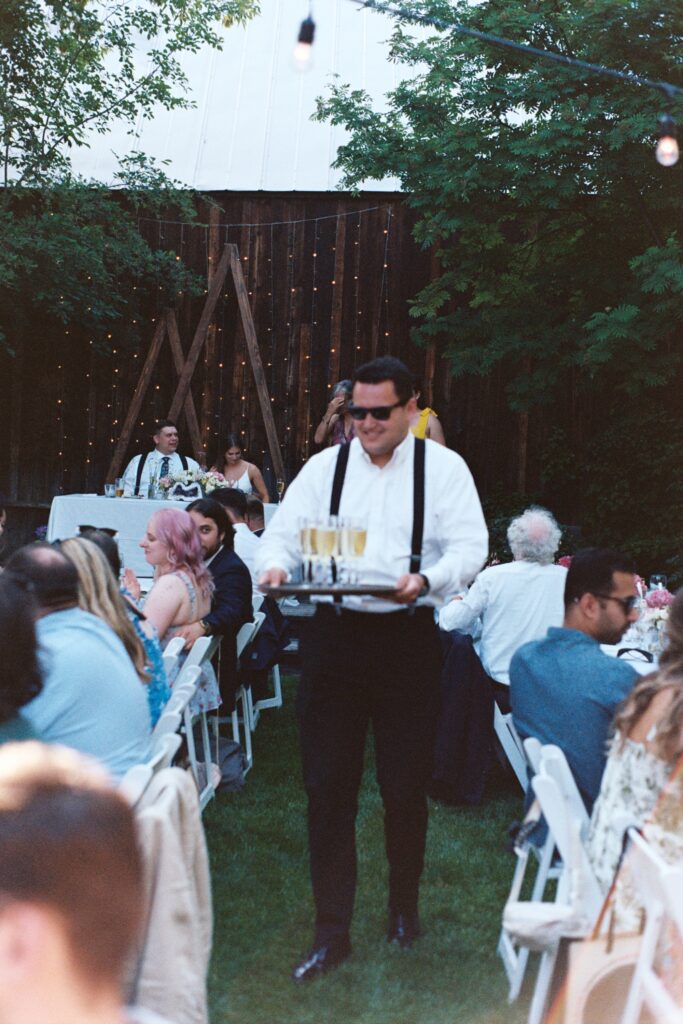
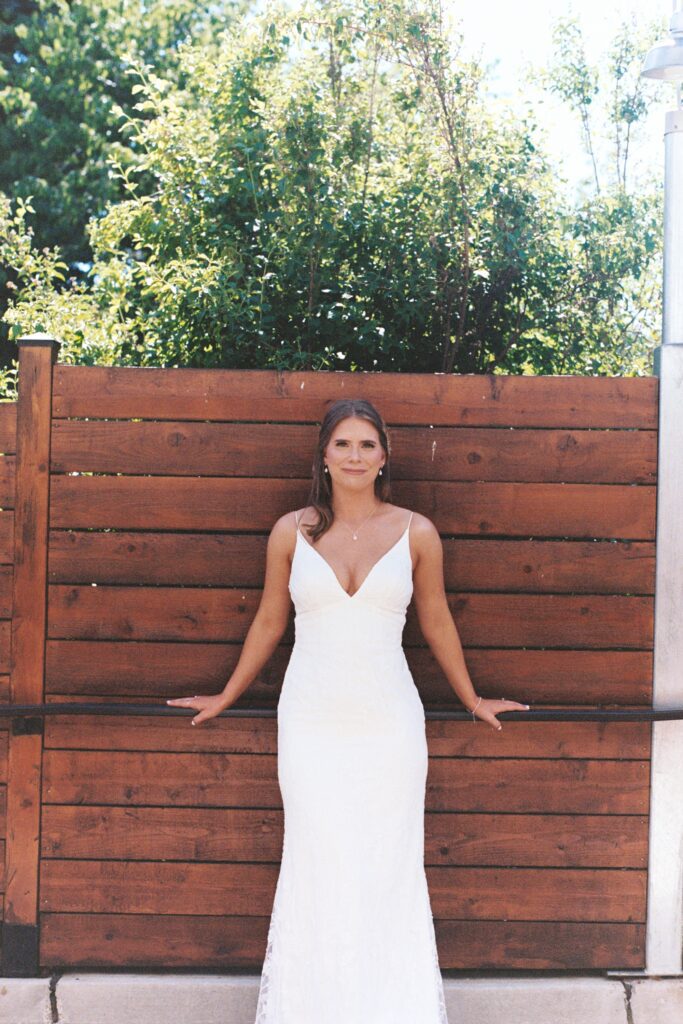
Digital and film aren’t in competition with each other. They serve different purposes. Digital allows for responsiveness, adaptability, and the ability to fully document the pace of a wedding day as it unfolds. Film brings a different layer — one that leans into texture, tone, and restraint.
Together, they create something that feels both complete and intentional.
Trends in wedding photography will continue to shift, but the desire for images that feel lasting tends to remain the same.
Film has a way of holding onto that sense of permanence. Years later, it often isn’t just about how the photographs look, but how they bring you back into the moment — the light, the movement, the atmosphere surrounding it.
xoxo,
Mackenzie